

Japanese horror movies often go unrecognized for their contribution to a lot of tropes we see today in western horror. Have a look at the eerie and disturbing world of curses, revenge and events unexplained.
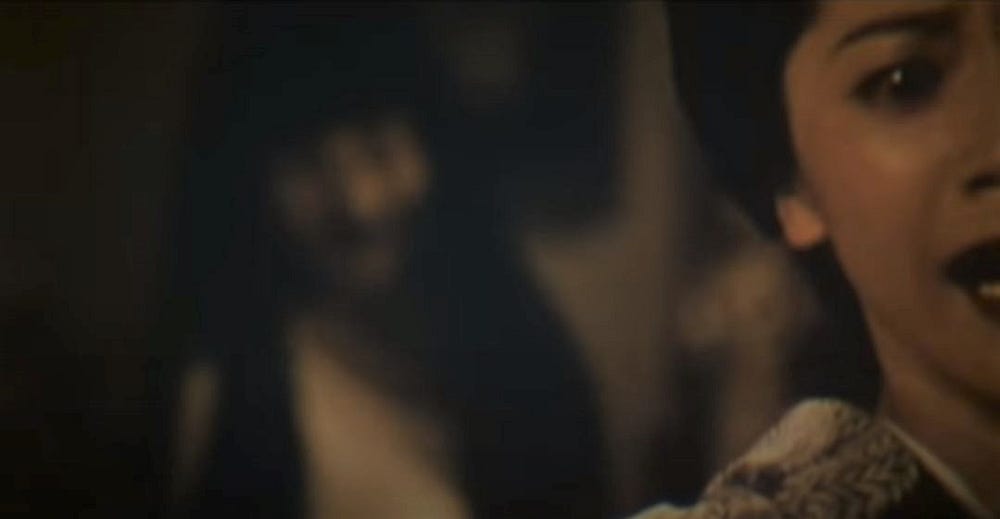
Don’t Look Up /女優霊 (1996)
Don’t Look Up or 女優霊 is a Japanese horror film released in 1996 and directed by Hideo Nakata. The movie follows the protagonist, Murai, a film director, who is working on a project when strange and eerie events start happening in the studio. The steady build-up of tension, and the suspenseful plot of Murai’s film work in synergy to keep you thoroughly engaged.

Noroi: The Curse /ノロイ(2005)
Noroi is a 2005 found-footage horror movie directed by Koji Shiraishi. The movie is presented as a documentary made up of recordings taken by Masafumi Kobayashi, a supernatural investigator who has gone missing. Kobayashi’s footage and inclusion of metafiction within the film masterfully blur the line between reality and fiction, leaving you unsettled and disturbed.
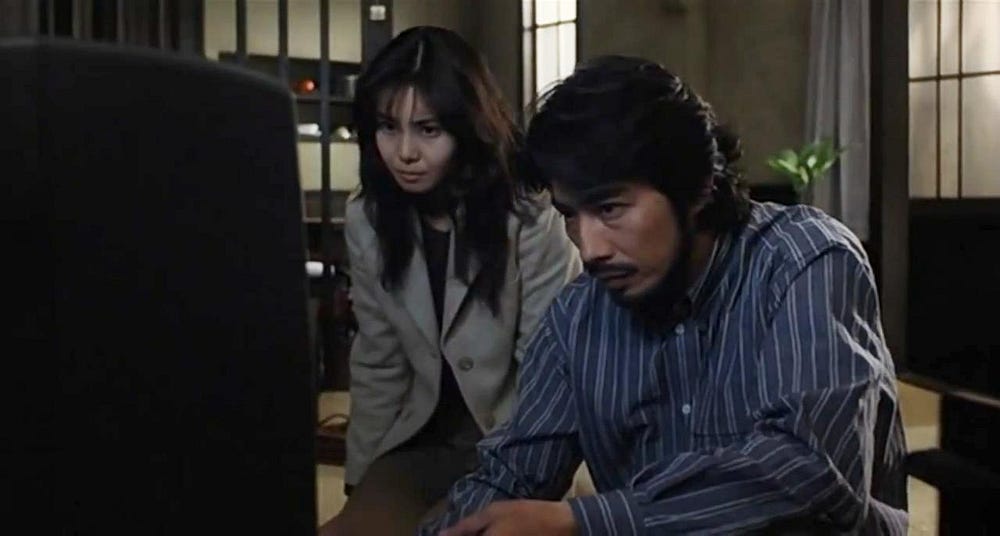
Ring (1998)
Ring is a 1998 Japanese horror movie directed by Hideo Nakata. Ring pioneered many tropes that we now see in horror movies and gained worldwide acclaim after its Western remake was released in 2002. The Plot revolves around the story of a cursed tape that causes anyone who watches it to die after 7 days. Reiko, The Protagonist, starts looking into this tape’s mystery after her niece dies in a way eerily similar to this supposed urban legend.
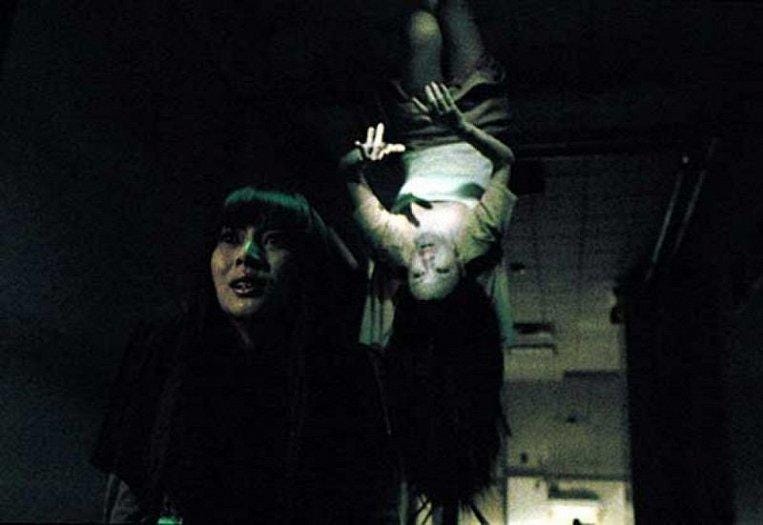
One Missed Call /着信アリ(2003)
One Missed Call, or “chakushin ari” was directed by Takashi Miike and released in 2003. The story follows the protagonist Yumi, who is trying to find the cause behind her friend’s mysterious death following a creepy phone call she received from her own number. The Movie does a great job of utilizing built-up suspense but fails to deliver it successfully in some scenes.

Ju-On /呪怨 (2002)
Ju-On, better known as The Grudge in the west, is a 2002 horror film directed by Takashi Shimizu. The story revolves around the tale of a house that curses anyone that enters it’s vicinity, making several people it’s victims in the movie. It is an integral part of any discussion involving the J-horror.

Paranormal Activity 2: Tokyo Night (2010)
Paranormal Activity 2: Tokyo Night is a 2010 Japanese horror movie directed by Toshikazu Nagae. It is a spinoff of the Paranormal Activity series, set after the events of the first installation. The story follows Haruka, who has come back to Japan from America after she gets caught up in a tragic car accident and ends up fracturing both her legs. Soon, supernatural events start happening around the house, leading her family to believe that the place might be haunted. Haruka’s brother, Koichi, decides to start recording footage in hopes of unveiling the mystery.

Cure (1997)
Cure is a psychological horror movie released in 1997 and directed by Kiyoshi Kurosawa. The movie’s narrative follows a detective investigating an ongoing chain of gruesome murders taking place in Tokyo, where the killer, each time a different person, ends up not having any memory of what they did. The murders seem to be happening at random, with the only common indicator being the X shaped cut on the victims neck. The vague nature of the mysterious phenomenon behind these murders keeps you on the edge of your seat.
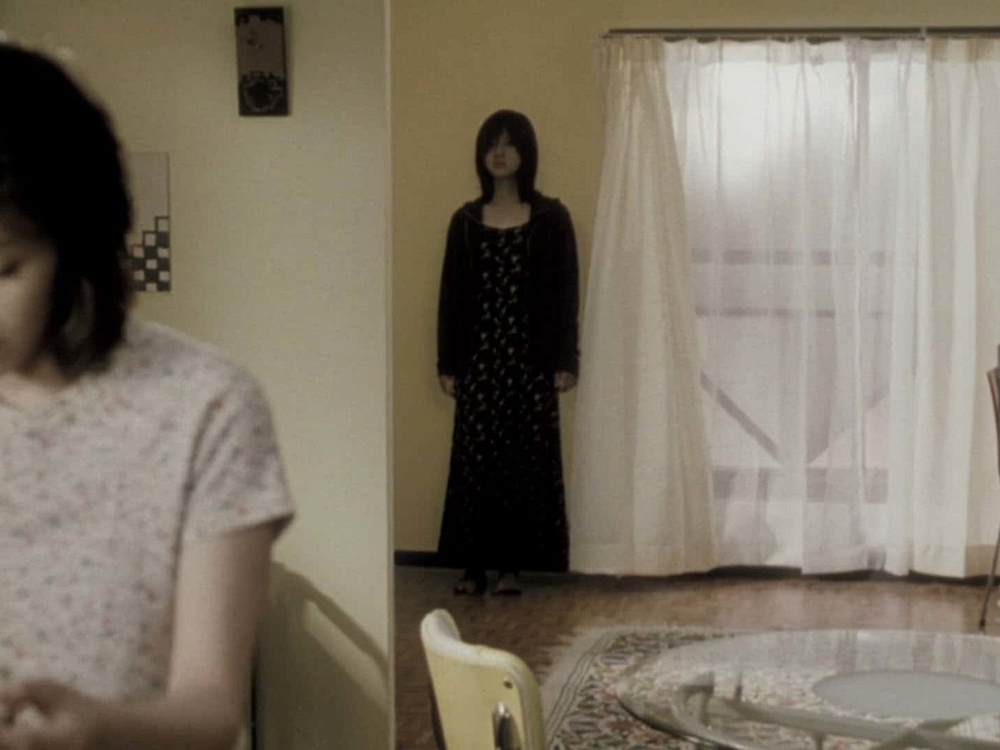
Pulse / 回路 (2001)
Pulse, or “kairo” is a 2001 horror film directed by Kiyoshi Kurosawa. This movie is pretty well known by horror fans, even abroad. Kairo came out during a time when the internet was booming in popularity in Japan, and the techno-horror aspect of the movie resonated with the audience due to its relevance at that time.
Dark Water / 仄暗い水の底から (2002)
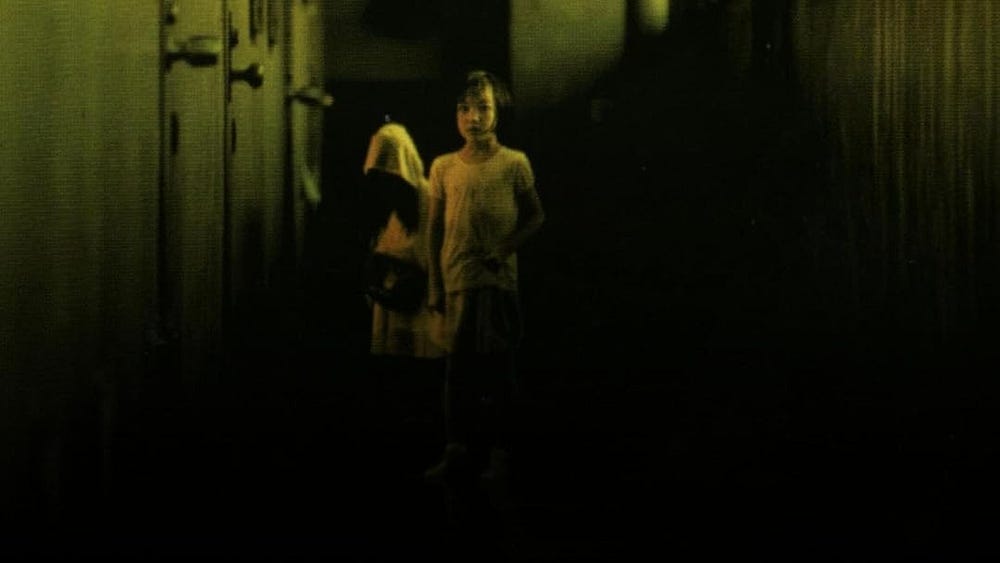
Dark Water is a 2002 Japanese horror movie directed by Hideo Nakata. Like many other Japanese horror films, Dark Water has a slow burn progression of the story.


 MEDIAREKI