

Japan is often criticized for having a troublesome fixation on social cohesion and conformity. The country’s deeply institutionalized resistance to advance from it’s orthodox cultural norms has persisted as the catalyst for the emergence of several transgressive movements across generations of Japanese youth. In the 1960s and 70s, fueled by the rise of leftist activism and cultural dissent, nonconformist expressionism quickly established itself as the ethos of rebellious Japanese youth.
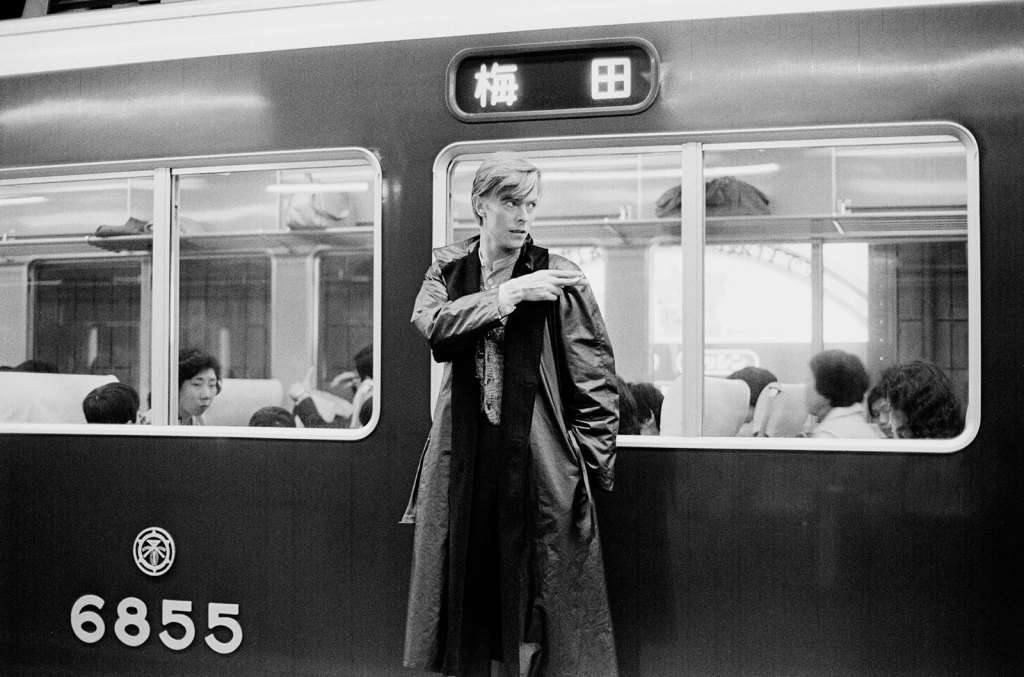
Matching the zeitgeist of the era, glam metal and punk rock soon began making waves in Japan. Influential artists such as David Bowie, Queen, and Kiss captivated young Japanese audiences through their wild music and defiant flair.
Spurred by the rawness of punk and gothic visuals, domestic bands soon began blending different styles of music and fashion in their performances. What had initially begun as simple experimentation quickly evolved into a radical aesthetic overhaul of glam metal — a kaleidoscopic mix of glamorous and operatic display that we now call Visual Kei.

The term Visual Kei comes from the word ‘visual’ highlighting the genre’s emphasis on performative aesthetics, while the kanji ‘系’ (kei) means ‘type’ or ‘system,’ is used to classify or categorize styles. The genre has always been heavily rooted in presentation, placing visuals on equal footing with the music itself.
Appearance
Beyond just music, customizing their appearance offered artists the freedom to stand apart, not only from mainstream culture but even from other bands within the scene. This, combined with the growing cultural obsession with ‘bishōnen’ (美少年), the beautiful, feminine young man at that time, inspired artists to fully embrace a melancholic, elegant appearance. Soon, androgynous appearances became a definitive norm within the genre.

Gender-fluid fashion wasn’t anything alien to Japan due to its long history of androgenic depiction in the arts, especially theater. During the Edo period, women were barred from performing in kabuki theaters, citing moral reasons. As a result, male actors known as onnagata (男形) started taking up female roles on the stage.

Owing to the undeniable significance of artistic display in the genre, Visual Kei developed several types of fashion within its own scene.
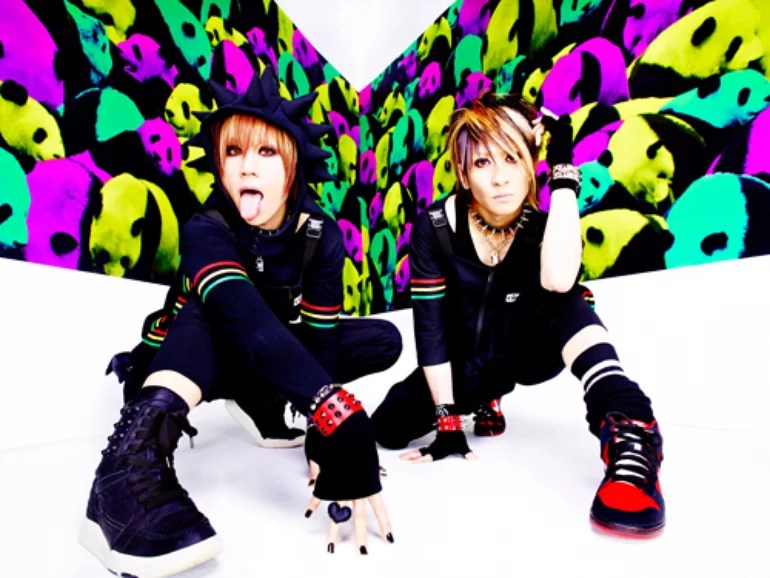
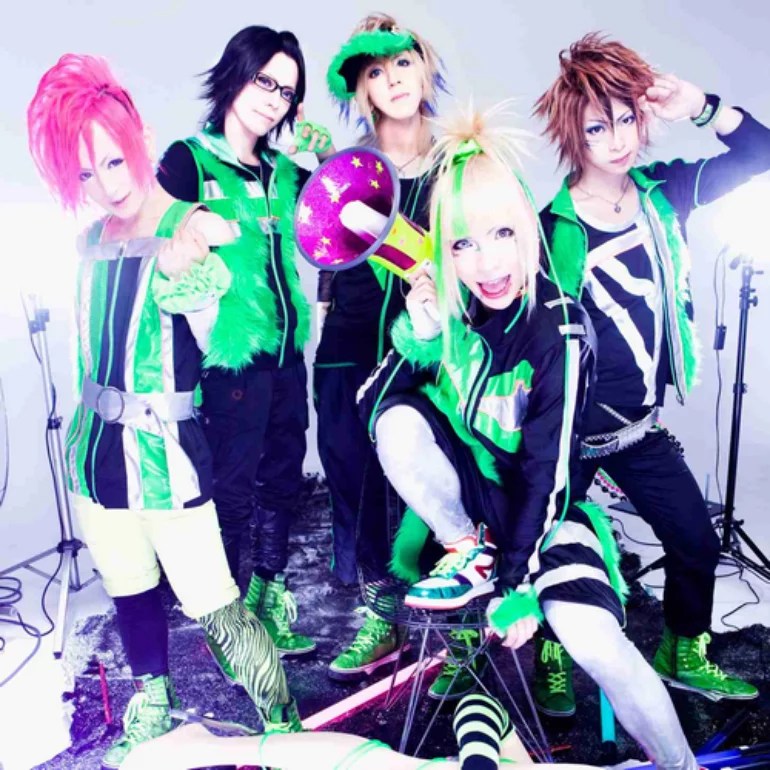
- Oshare kei/お洒落系
Oshare kei is a fashion subset of visual kei that came into existence in the early 2000s, heavily inspired by Harajuku fashion, featuring colorful and poppy clothing.


- Angura kei/アングラ系
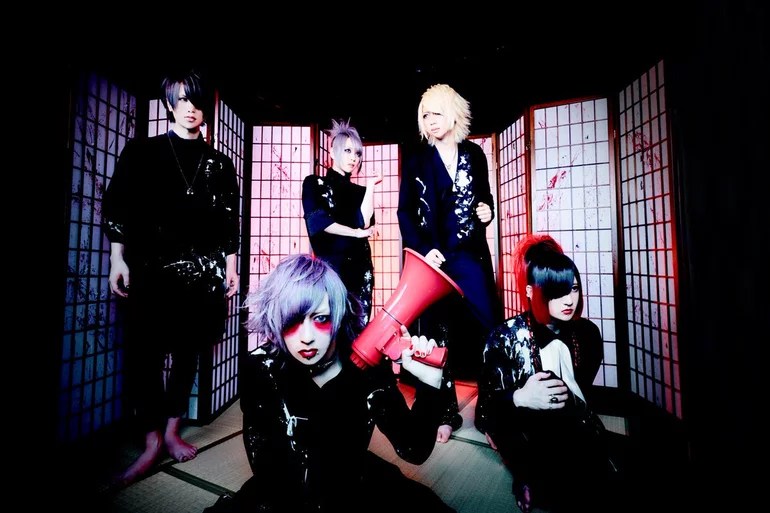
This subset features dark and gothic themes mixed with traditional Japanese elements. Although it has existed for longer than visual kei, it is an integral visual influence for many artists within the genre.



- Tanbi kei/耽美系
Tanbi kei draws inspiration from classical European fashion, particularly baroque and Victorian. This substyle emphasizes the elegance and grandeur heavily inspired by European romanticism.


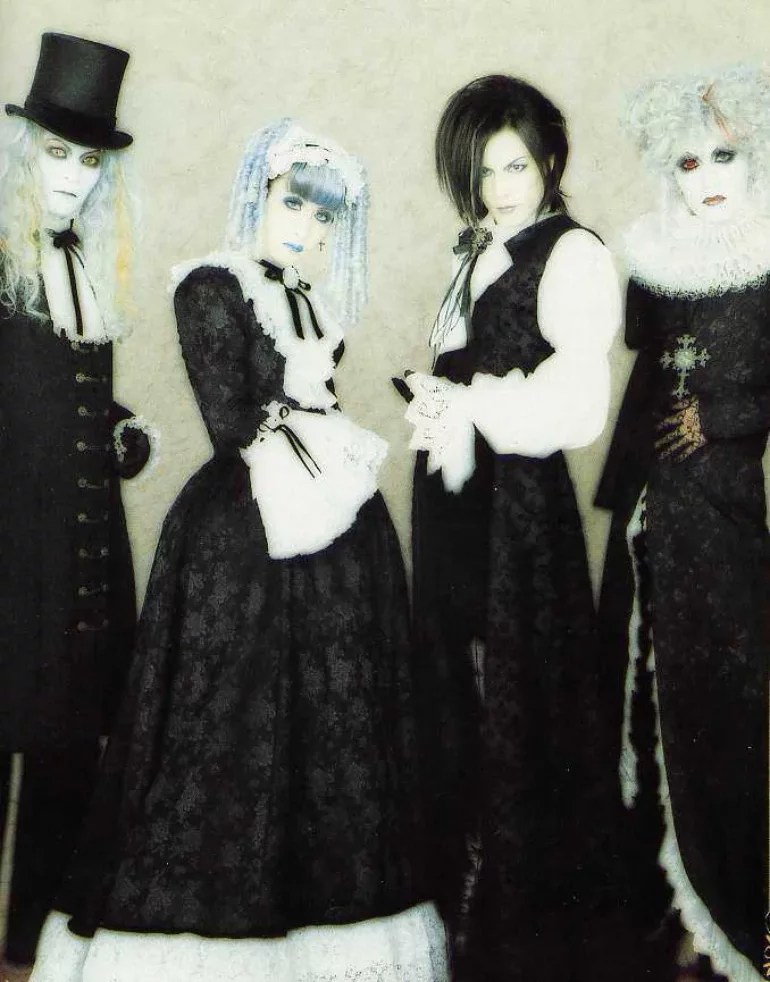
- Kote kei/コテ系
Emerging in the 1990s, this dark, goth-inspired fashion style became a defining force of the decade. Bands like X Japan, Luna Sea, and Malice Mizer perfected this aesthetic, shaping the visual identity of the era.


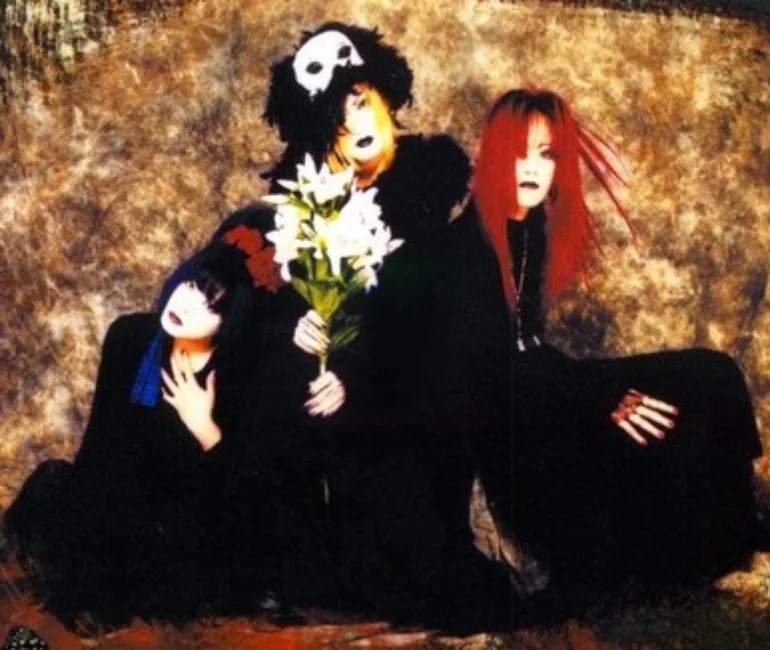
- Iryou kei/医療系
Iryou (医療), Japanese for ‘medicine,’ is a sub-style centered around a medical aesthetic, often incorporating surgical imagery, blood, and body horror to bring a sense of unease.
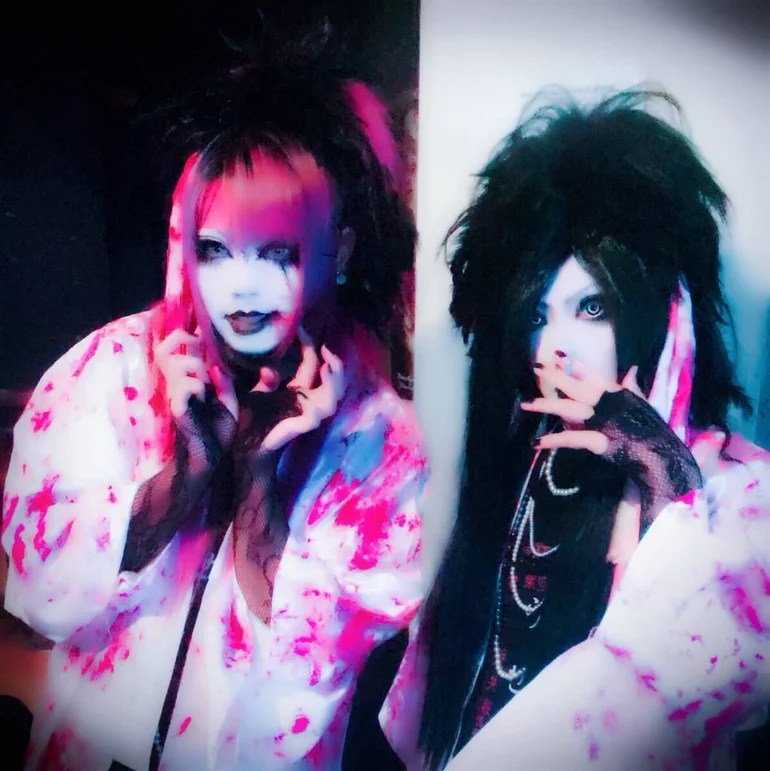
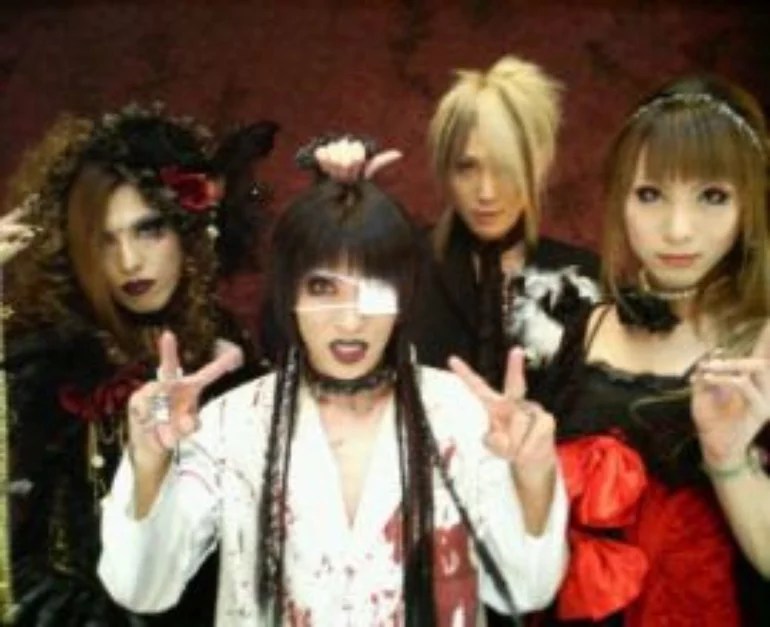


Fashion designers and brands such as h.Naoto, Moi-même-Moitié, and SEX POT ReVeNGe helped shape Visual Kei fashion, bridging the gap between stage and street by bringing it to both fans and artists.
In some ways, Visual-Kei is to Japan what the emo subculture is to America. Just like emo, Visual Kei emerged as a fusion of alternative music and fashion for a new generation of misfits.
Sound
Although one can argue that almost all Visual Kei bands play metal or rock, the variance in their musical direction is simply way too vast to just group it all in as a singular genre. Visual kei started out very distortion-heavy, raw, and energetic, but over time, proved to be highly dynamic.
During the 1980s and 90s, the sound continued to diversify and by the end of it, the genre embraced a more operatic and melancholic tone. By the 2000s, Visual Kei had become increasingly more commercialized, with many bands leaving behind the underground scene to sign with major labels instead. Bands started incorporating electronic musical elements, trading the raw, distorted tone for a more polished sound.
Famous Bands
- Dir En Grey
Formed in 1997 in Osaka, DIR EN GREY went on to become a global phenomenon in the 2000s, due to their macabre and disturbing yet cathartic visuals and lyrics.
- Malice Mizer
Malice Mizer was founded in 1992, blending elements of baroque and gothic rock. They became best known for their theatrical performances fused with aristocratic fashion and dramatic storytelling, cementing their legacy as one of the most influential bands in Visual Kei history.
- X-japan
X Japan was founded in 1982 in Chiba Prefecture and is often credited as the first Visual Kei band to break into the mainstream. At the time, the band was known simply as ‘X’ and released their first album, Vanishing Vision, back in 1988.
- DADAROMA
DADAROMA entered the scene in 2015, blending erotic and emotional lyricism. Although DADAROMA is known for their high-octane music, their discography is full of melodious ballads. Their bold appearances and shock-inducing music videos quickly seized the attention of their fans who were fascinated by their raw energy and captivating performances.
- SuG
SuG was formed in 2006 and quickly rose to fame during the Neo-Visual Kei revival. Their colorful aesthetic and catchy sound made them especially appealing to new listeners.
- L.M.C.
L.M.C. was formed in 2006, boasting poppy, fun visuals and catchy music. Exposure through anime significantly boosted their popularity overseas and in Japan, introducing newer audiences to the playful and energetic side of Visual Kei.
- The Gazette
The gazette were formed in 2002 and achieved legendary status through their influence and popularity in the scene. Their music is raw and chaotic, while their visuals exude an edgy charm.
- Buck-Tick
Buck Tick, alongside X-Japan, is considered to be one of the bands instrumental in laying down the foundations of visual kei. They set the tone for the theatrical and moody aesthetics that would become central to the genre.
Decline
During the late 90s, several transformative changes kicked off in the scene after Gackt split away from Malice Mizer and X-Japan’s disbandment, stripping the scene of its most iconic figures. This, coupled with a strong shift in mainstream music preferences, marked visual kei’s decline.
Music labels started capitalizing on domestic pop artists whose sound and appearance harmonized much better with the growing popularity of western music. As a result, visual kei bands struggled to maintain their relevance, leading to a significant downturn in the genre’s appeal with the audience.


 MEDIAREKI